


Knee Joint Cartilage Defects
A knee joint cartilage defect is an area of damaged cartilage on any of the surfaces of the knee joint, which include the thigh bone (femur), shinbone (tibia), and kneecap (patella). These cartilage defects are also called osteochondral defects.
Open this page on your mobile device.
What is a Knee Joint Cartilage Defect?
Causes, Symptoms, and Diagnosis
Knee joint cartilage defects are isolated areas of cartilage damage that often cause pain, instability, and limited range of motion. These injuries can result from trauma, repeated overuse, or other knee conditions that affect the normal movement and stability of the knee.
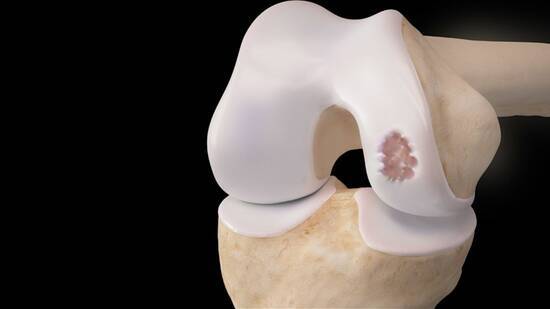
Knee Joint Cartilage Defects: Overview
3m
Knee Joint Cartilage Defect Treatment
With and Without Surgery
At-home treatment methods can help manage pain from knee joint cartilage defects, but because cartilage has a limited ability to heal, surgery may be needed to prevent knee joint cartilage defects from getting worse.
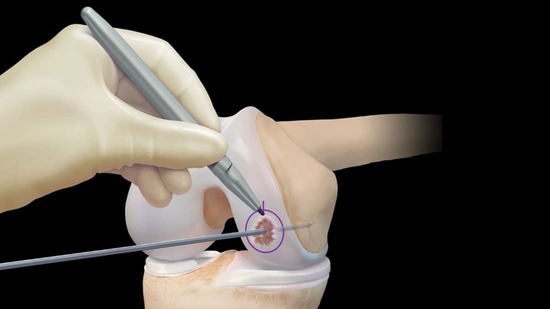
Knee Joint Cartilage Defects: Treatment Options
3m
Knee Joint Cartilage Defect Surgery
Surgical Animation
Surgery for a knee joint cartilage defect involves using a cartilage graft to replace the area of damaged cartilage. Cartilage grafts, which can be taken from the patient or from a donor, can be made from many small pieces of cartilage or one whole piece of cartilage and bone.
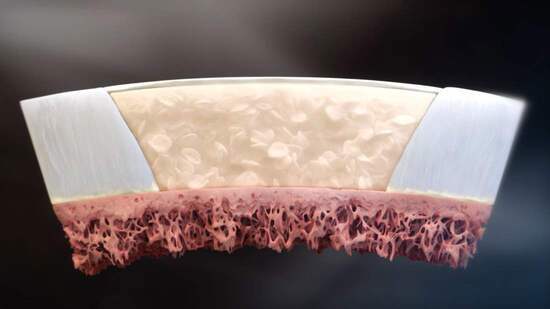 Cartilage Injuries: Small Cartilage Defect Treatment Animation 2m |
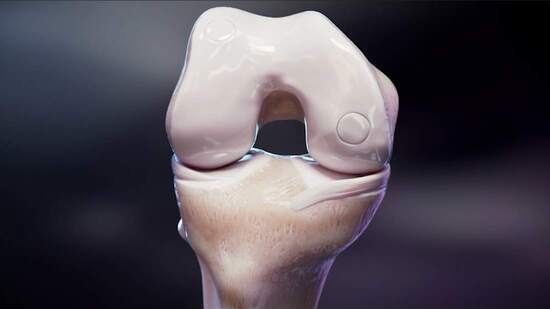 Knee Joint Cartilage Defects: Small Cartilage Defect Replacement Animation 2m |
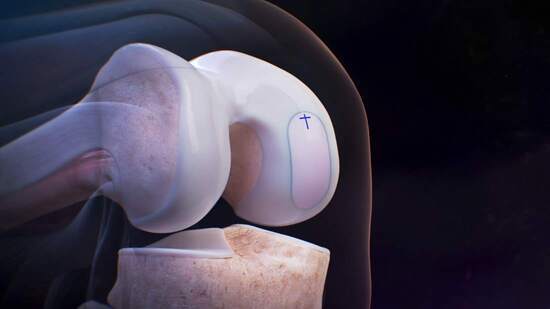 Knee Joint Cartilage Defects: Large Cartilage Defect Treatment Animation 3m |
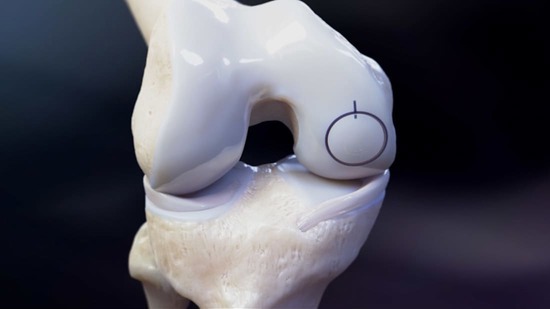 Knee Joint Cartilage Defects: Medium Cartilage Defect Replacement Animation 3m |